A church in Harrisburg, PA, had several parking lots, but only one needed sealcoating.
One of our vendors referred the property to RDS Paving & Sealcoating, and we evaluated the area for crack sealing, surface preparation, a commercial sealcoat, and line painting.
The work also had to fit around scheduled Masses, when convenient parking near the building was especially important.
One Lot to Maintain, With Church Services to Consider
Our assessment kept the sealcoating work focused on the lot that needed it. The church’s other parking areas were not part of that scope.
Timing mattered just as much as the work area. We planned to finish before church services so parishioners wouldn’t have to park farther away and walk more than necessary.
For this pavement maintenance project, limiting disruption meant accounting for when people needed the lot, not just what the asphalt needed.
Some Sections Needed More Than One Cleaning Pass
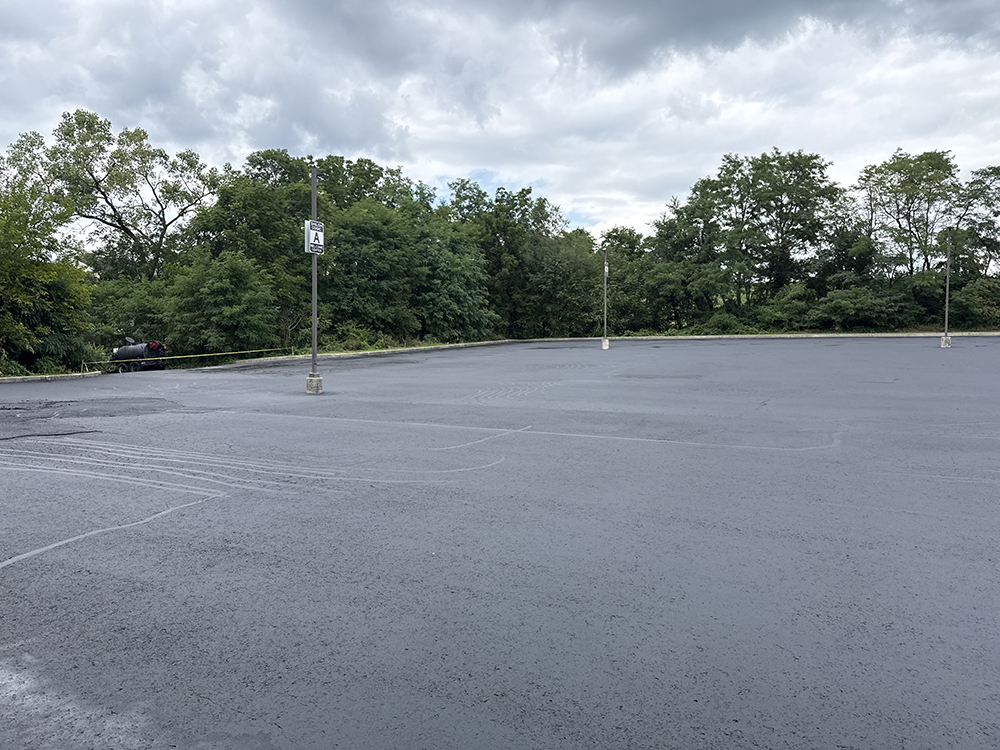
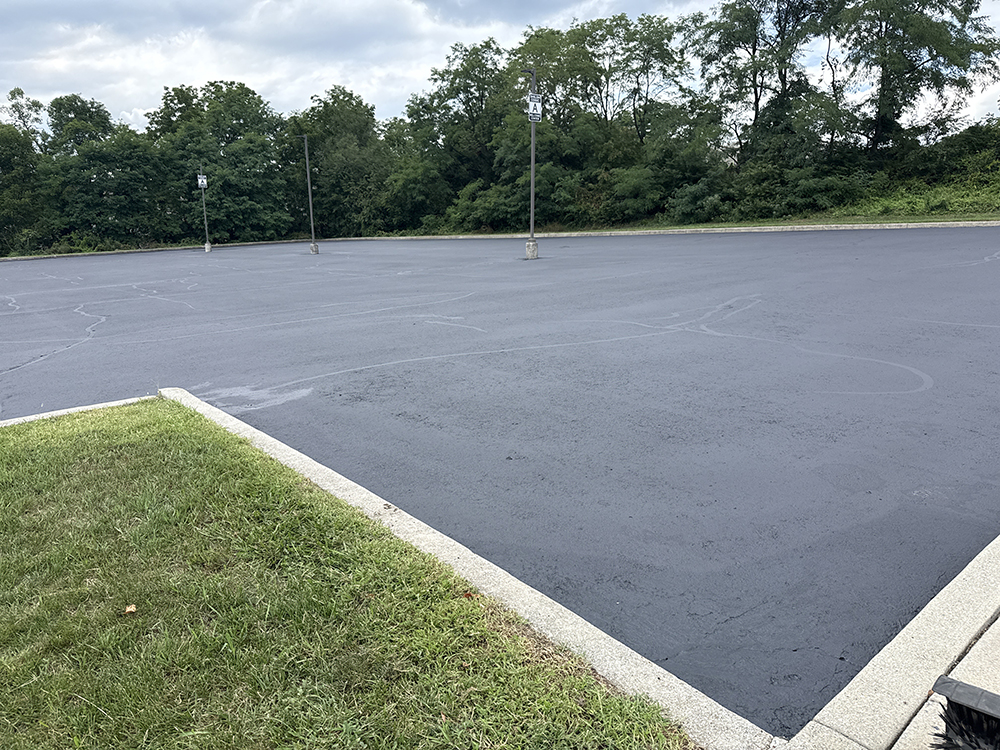
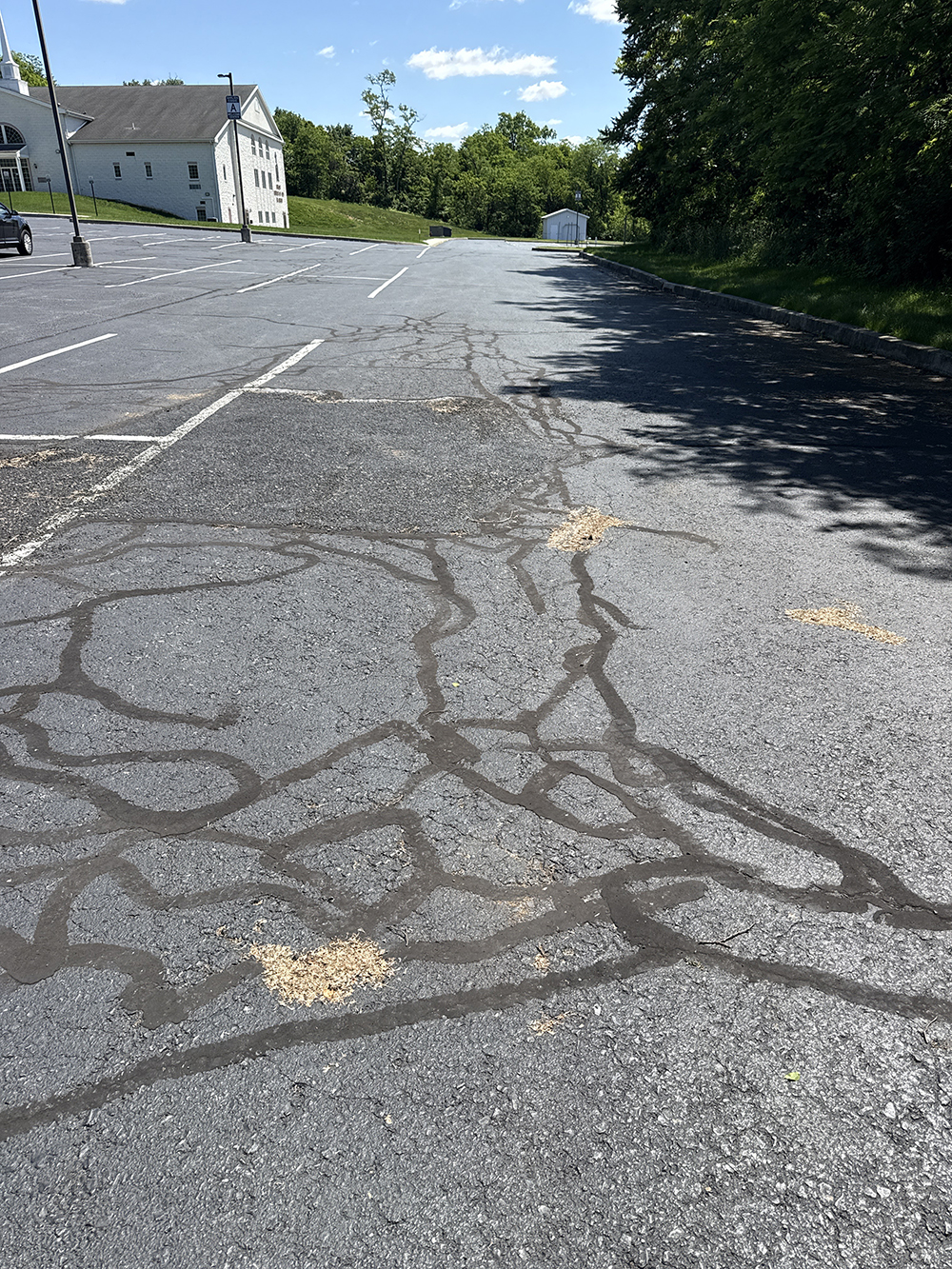
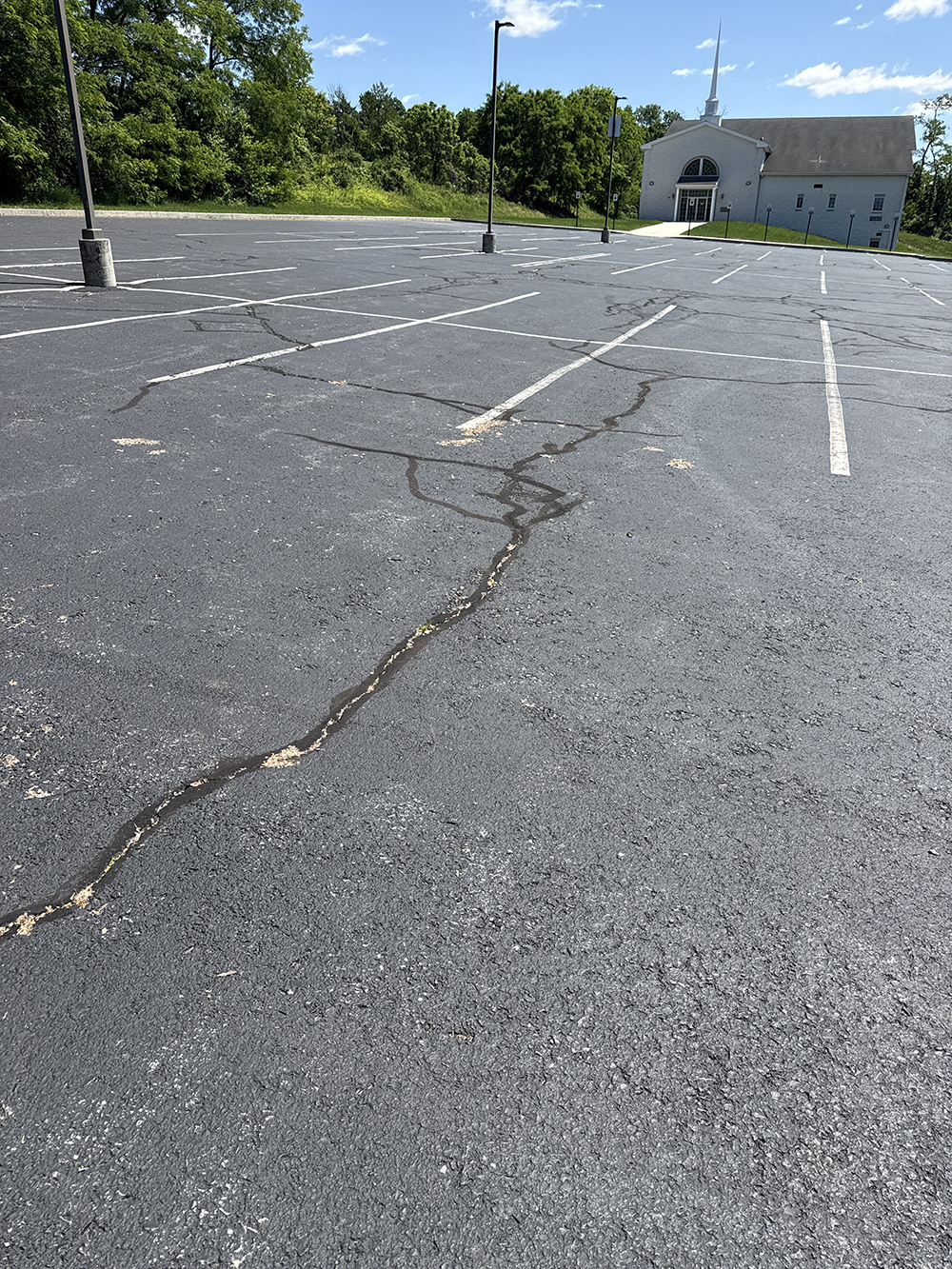
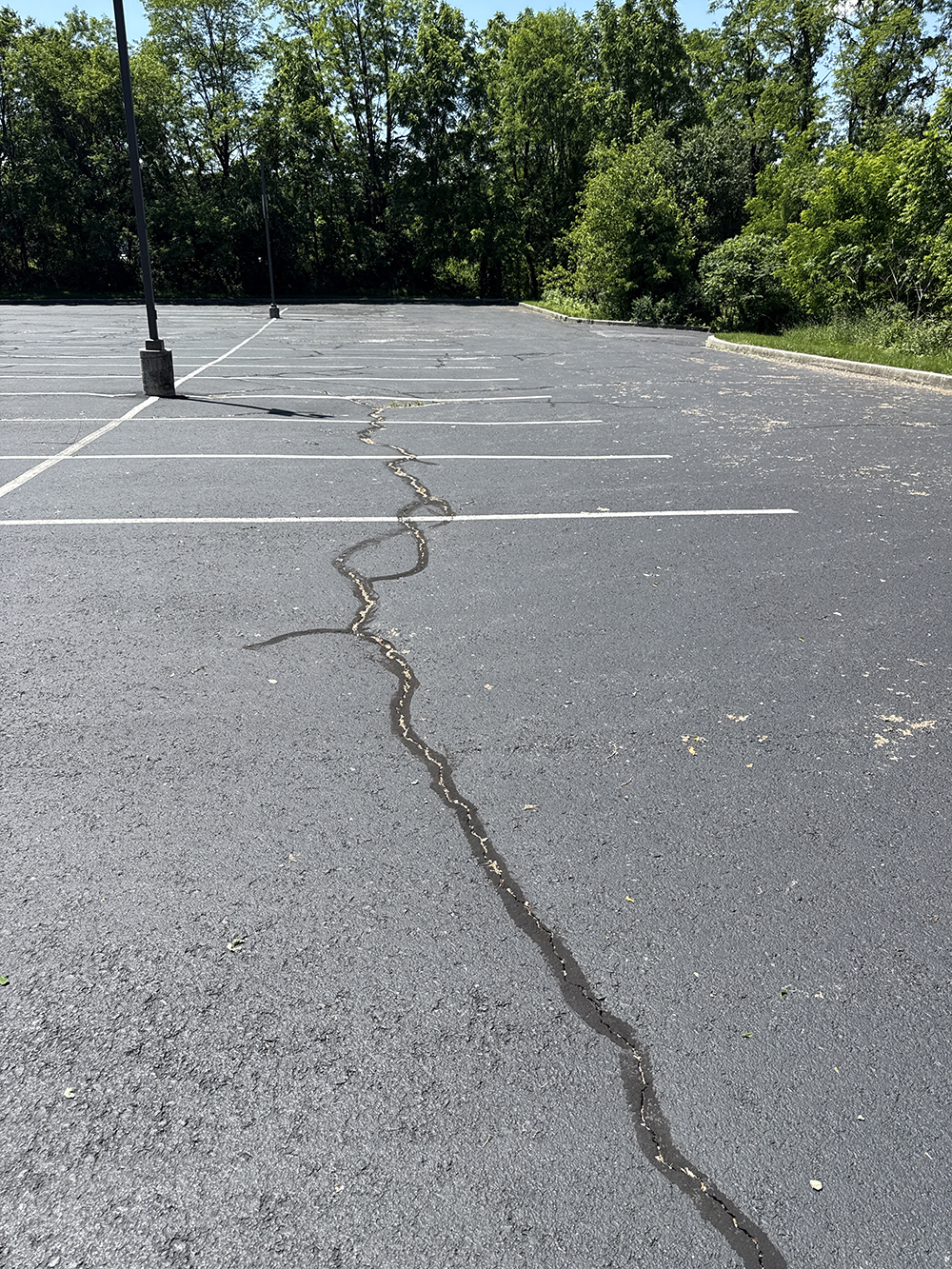
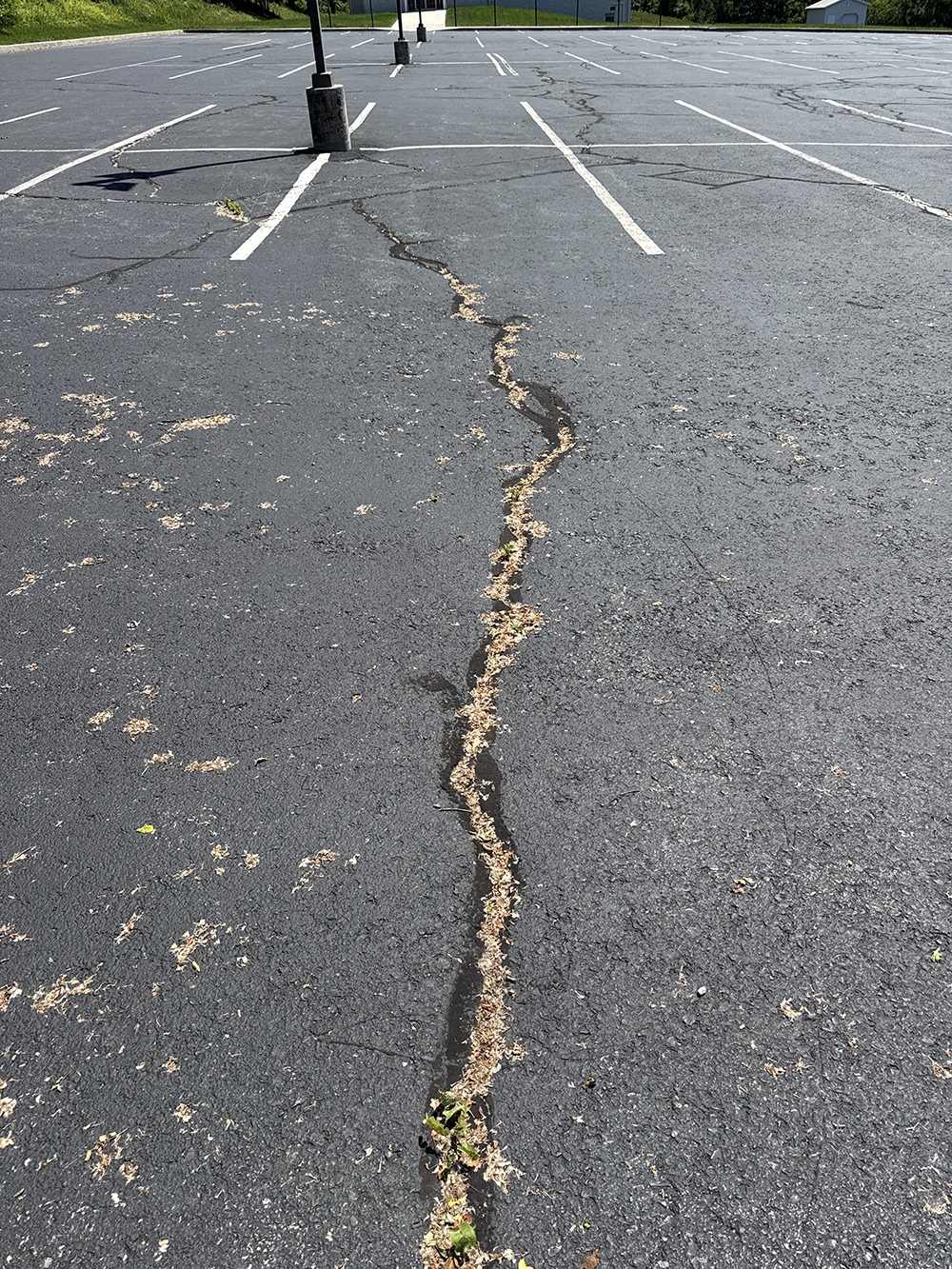
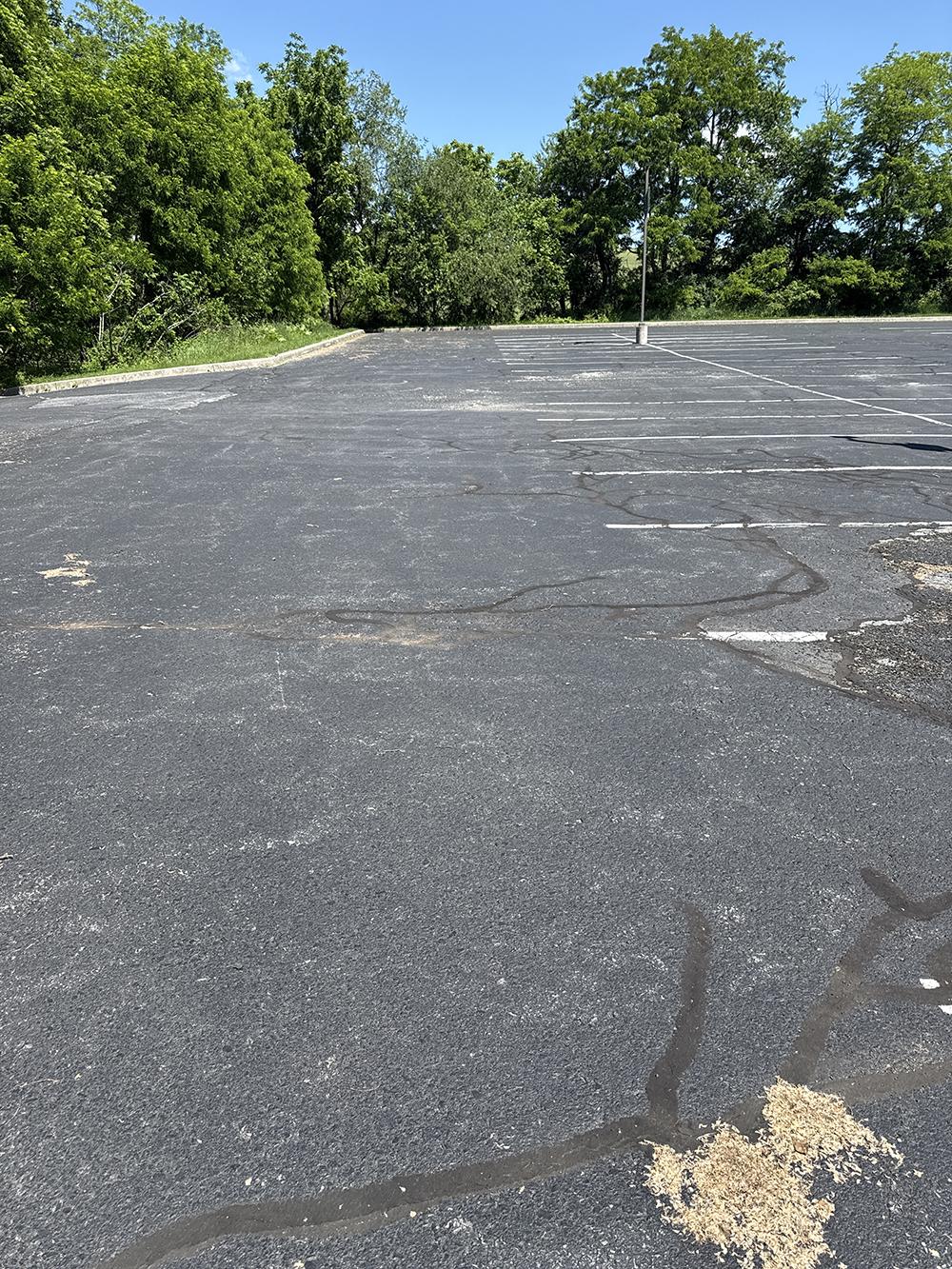
Long cracks crossed parking spaces, and branching cracks spread through other parts of the lot. Debris and small plants had collected in or near some of those openings. Our evaluation identified the need for commercial crack sealing, along with thorough debris removal before the coating went down.
Several sections required multiple cleaning passes. We kept clearing those areas to prepare the pavement for the materials to adhere as intended. Loose material left behind could interfere with that bond, so the repeated cleaning was a necessary part of the preparation, not simply a way to improve the lot’s appearance.
PennDOT’s crack-sealing guidance describes removing debris from cracks before applying sealant. Crack treatment also helps limit water entering the pavement through those openings, where it can contribute to further deterioration.
One Coat of Sealer for the Selected Lot
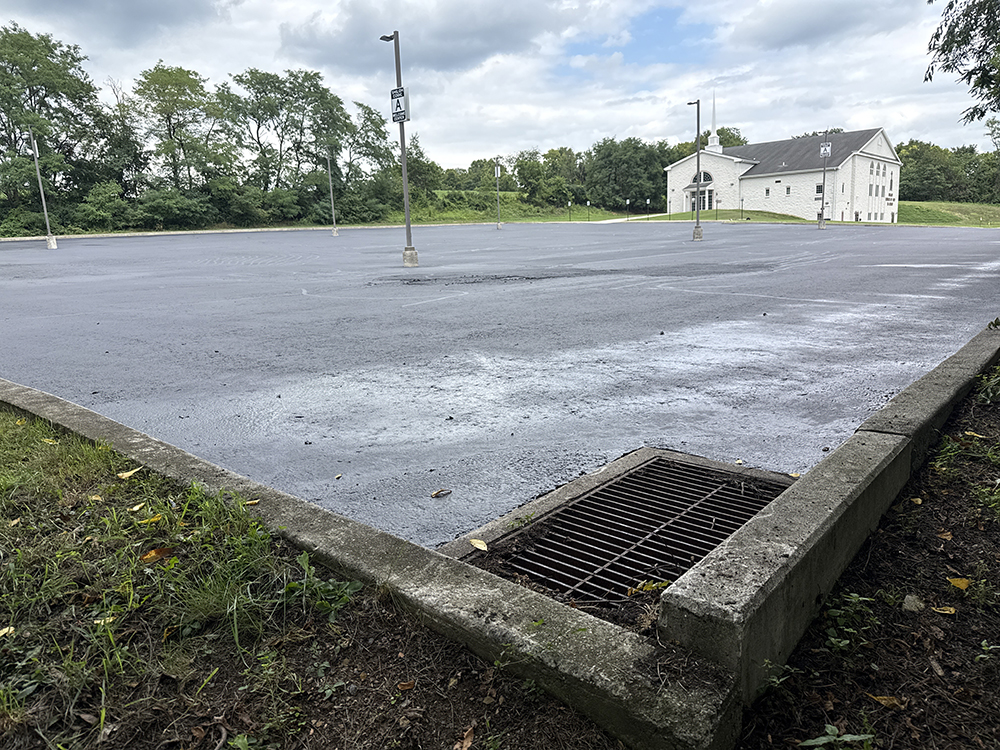
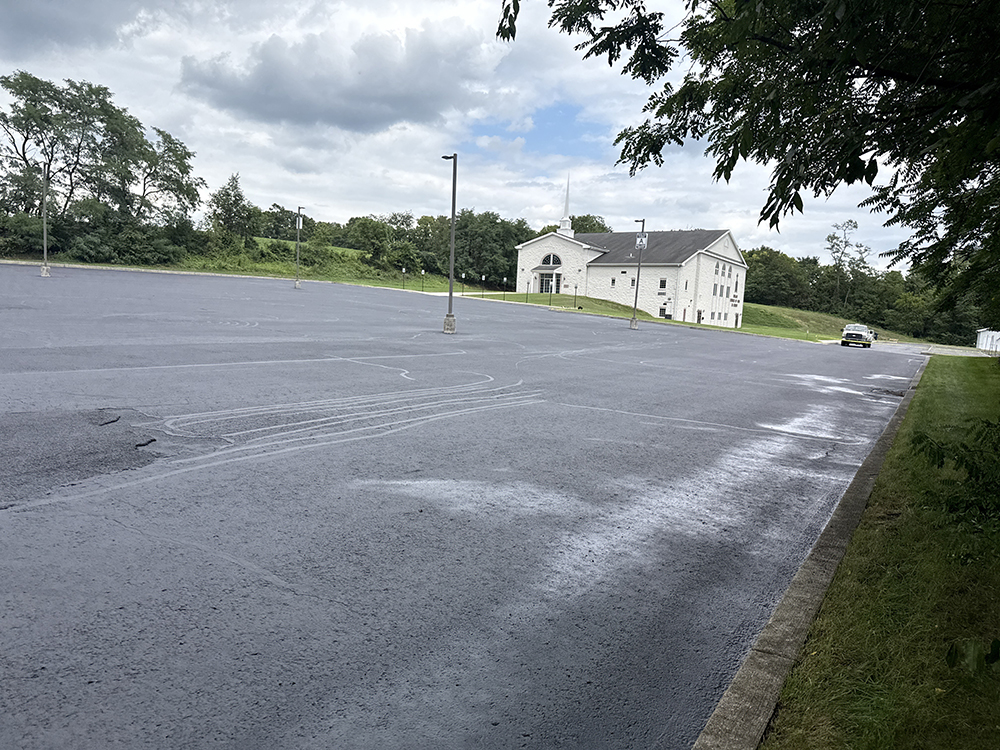
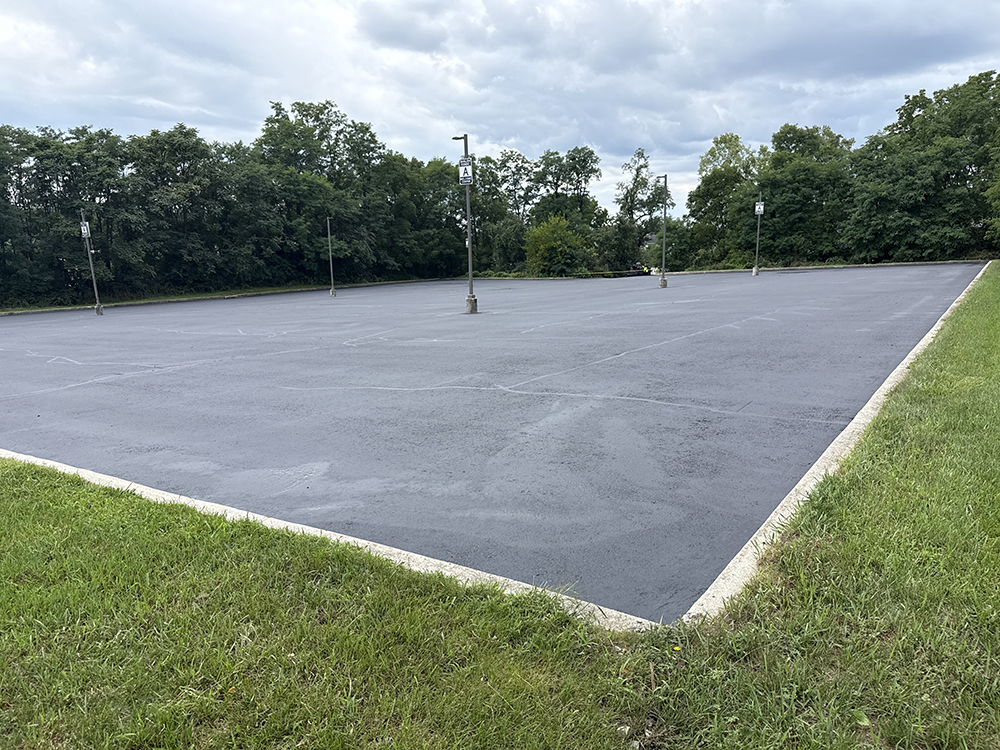
After the crack sealing and cleaning, we applied one coat of commercial-grade sealer. Our evaluation had determined that one coat would be sufficient for this particular lot.
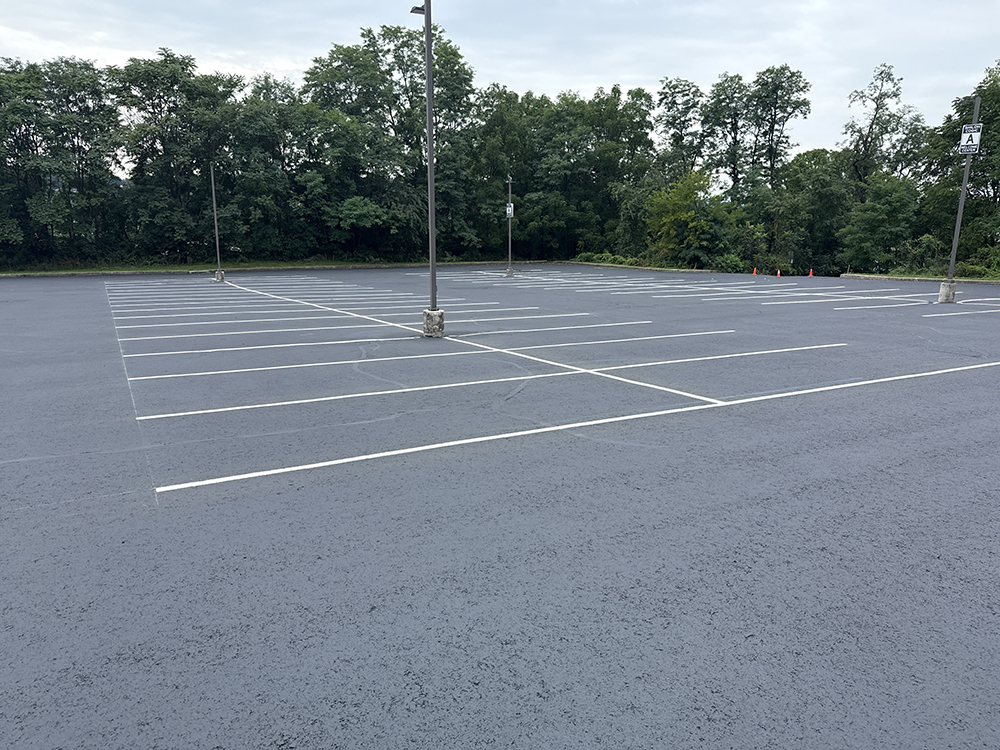
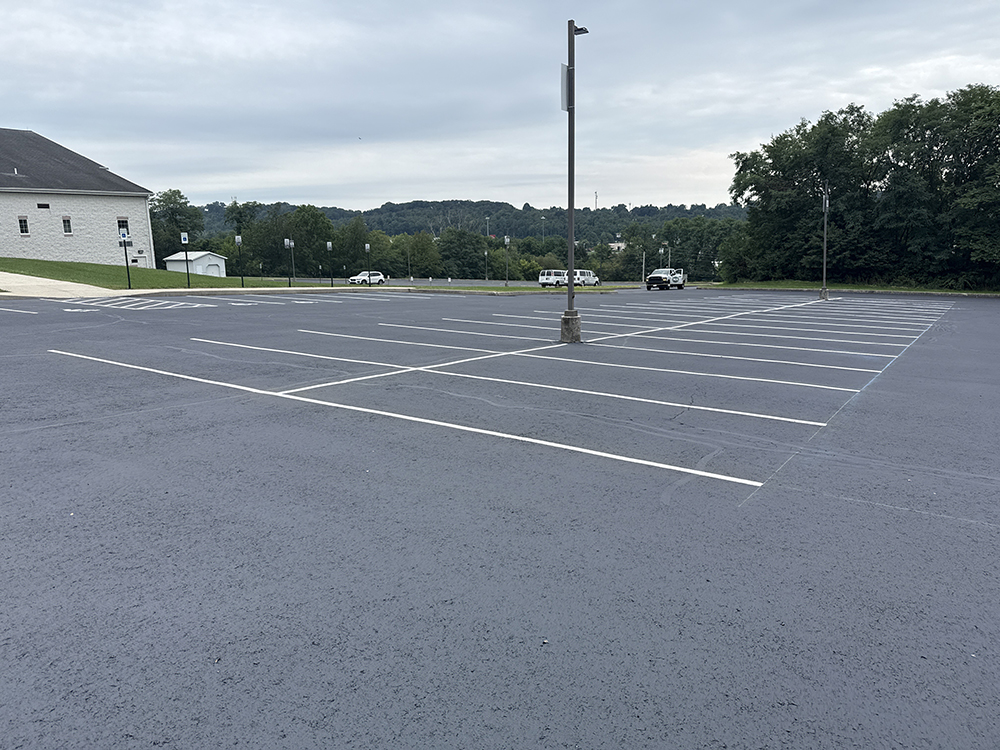
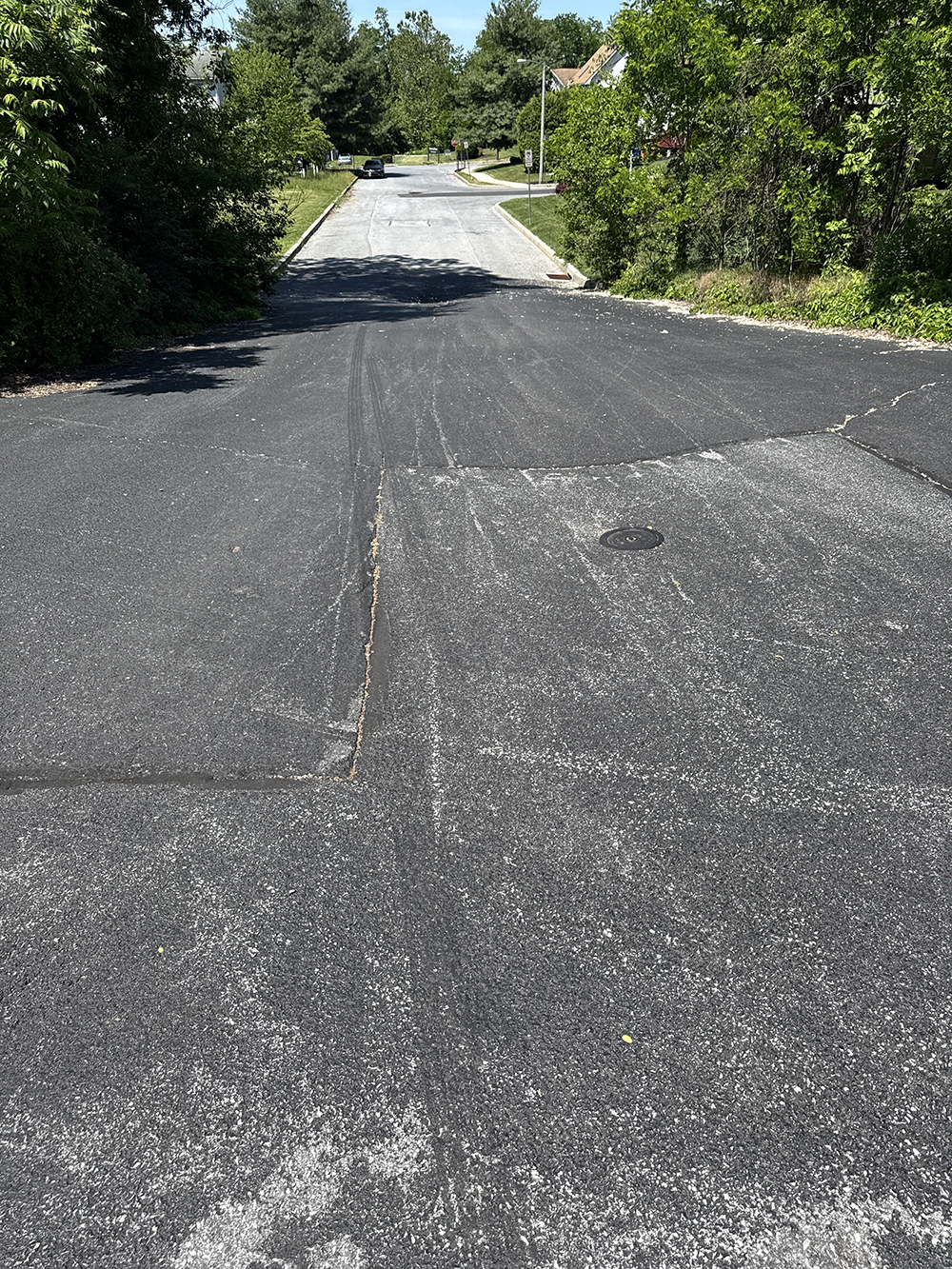
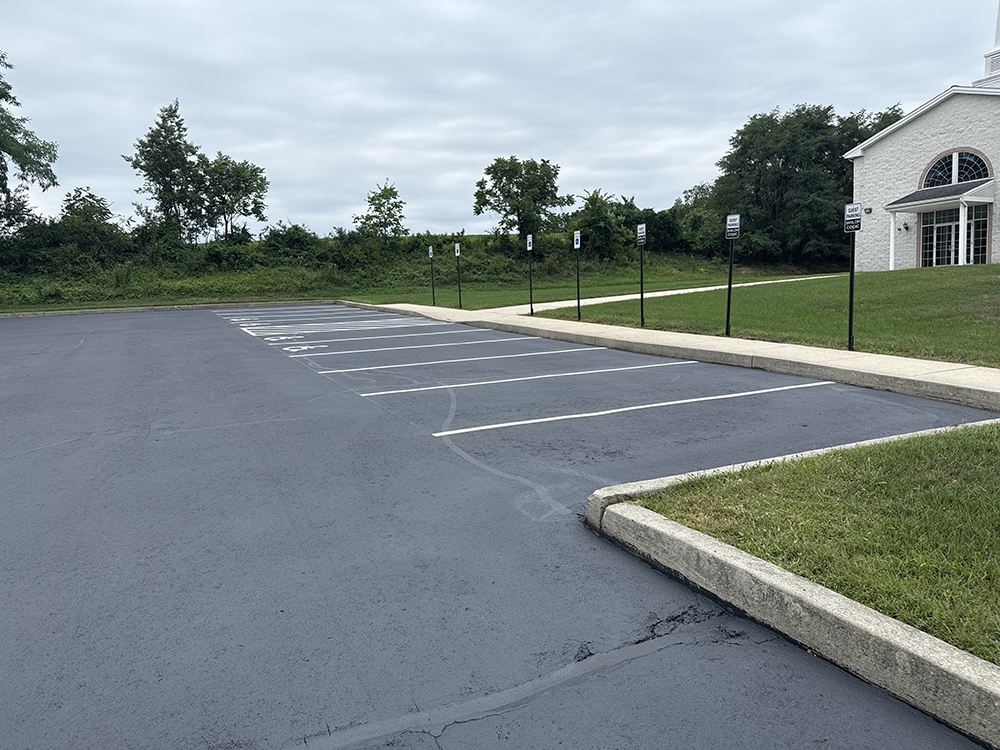
The parking lot sealcoating left the broad asphalt area with a darker appearance. The pavement and parking arrangement remained in place, but the existing lines still needed attention before the lot was ready for its regular use.
The Lines Went Back After the Sealer Dried
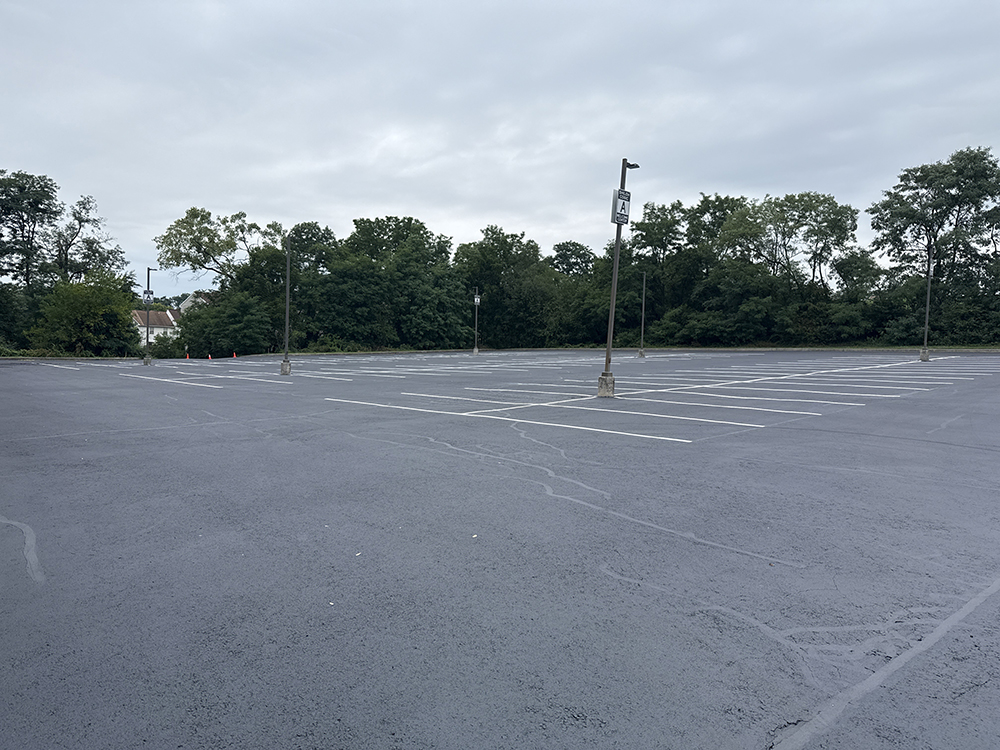
Once the sealer had dried fully, our line painting team returned for parking lot striping. We followed the existing layout, repainting the parking spaces and designated markings instead of changing their arrangement.
White stall lines stood out against the darker surface, including designated accessible-space markings near the church.
We finished the project before the scheduled church services. That was important to the church’s goal of keeping parking convenient for parishioners and avoiding an unnecessarily long walk to the building.
A Good Response and Time to Plan for Future Paving
Both the churchgoers and the church board were very pleased with the result and impressed by the restored parking lot. They also hope the maintenance will extend the useful life of the existing asphalt, giving them more time to plan and budget for a larger parking lot paving project in the future.
Plan Your Parking Lot Maintenance With RDS
Not every parking lot on a property needs the same work. We can evaluate cracked or worn areas, look at existing markings, and plan maintenance around when a church or commercial property needs its parking spaces.
If your Harrisburg parking lot has cracks, debris-filled areas, or faded parking lines, request a parking lot maintenance estimate from our team.