A church in Dillsburg, PA, contacted RDS Paving & Sealcoating in June after hearing about us through word of mouth. They wanted crack sealing for their parking lot. After evaluating the pavement, we recommended waiting until fall instead of starting right away.
Cracks Across More Than One Part of the Lot
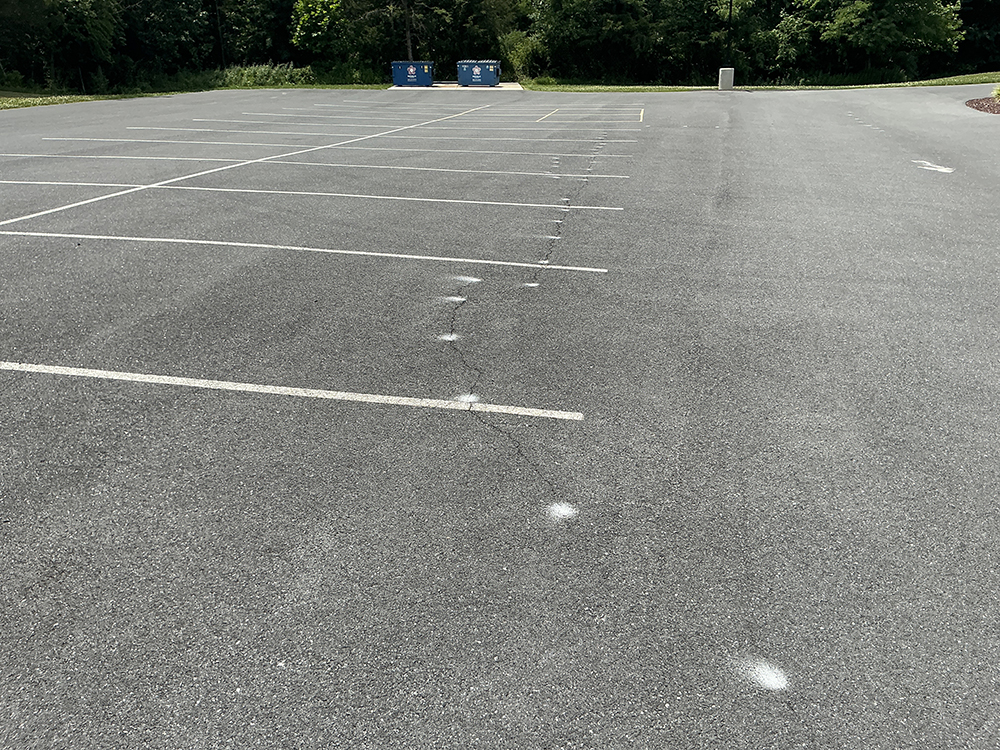
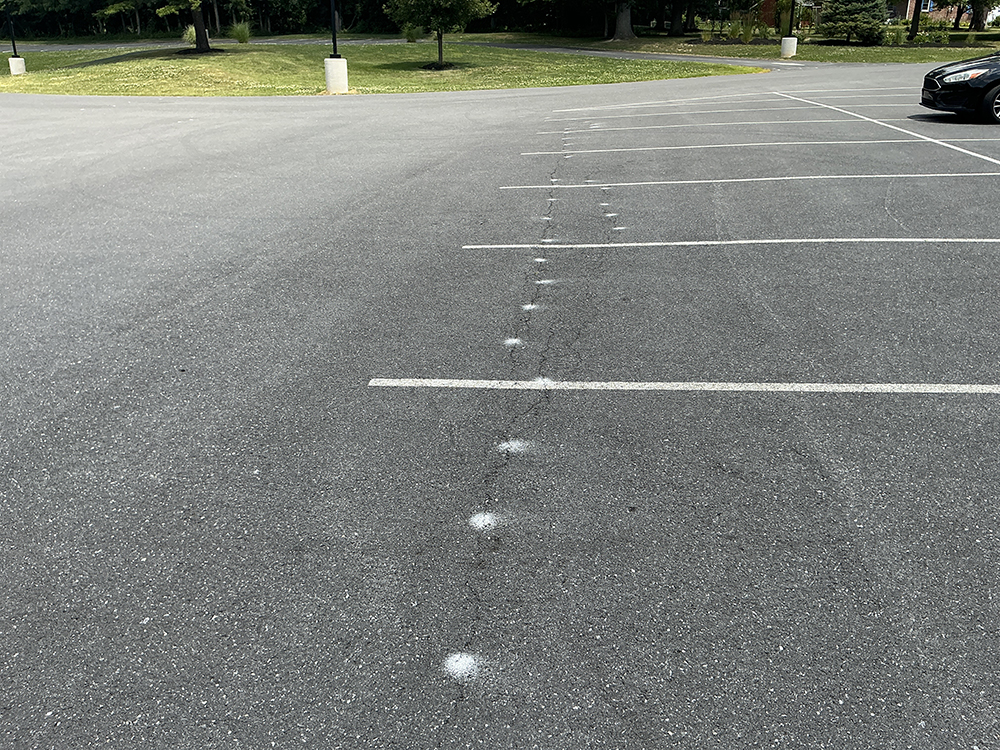
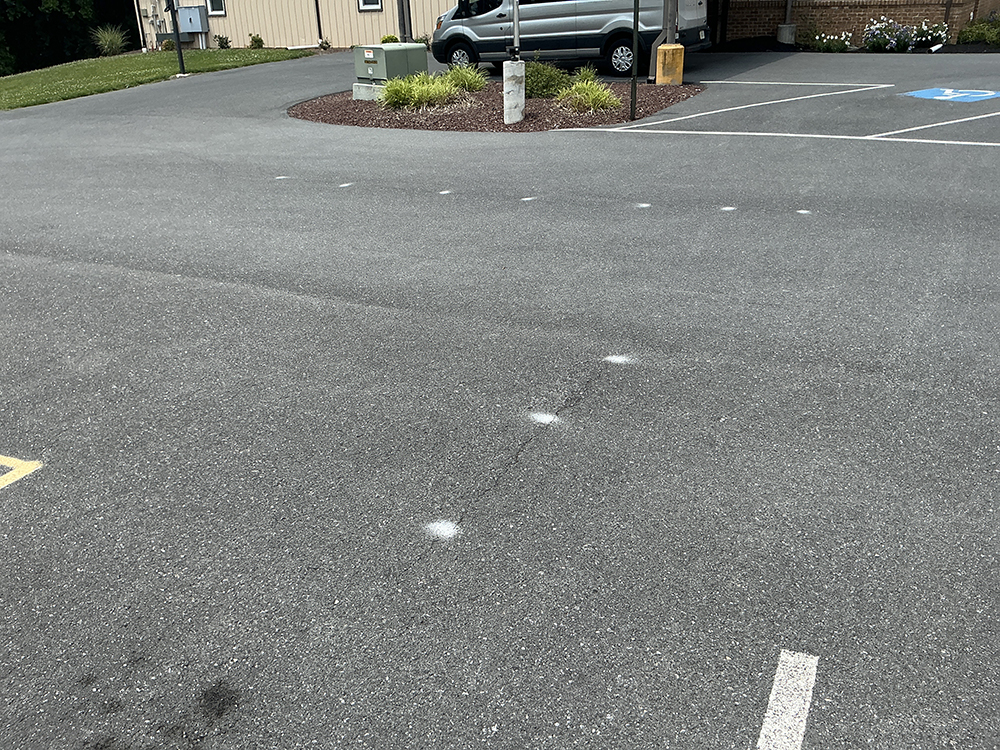
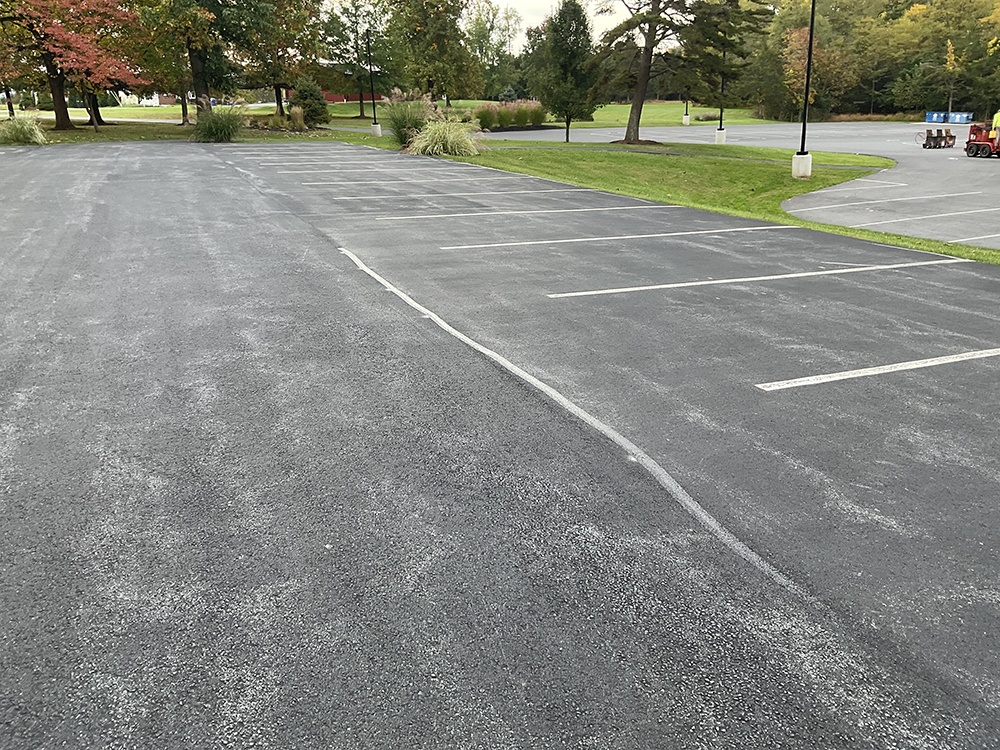
Our evaluation identified several areas of spiderweb-type cracking throughout the parking lot.
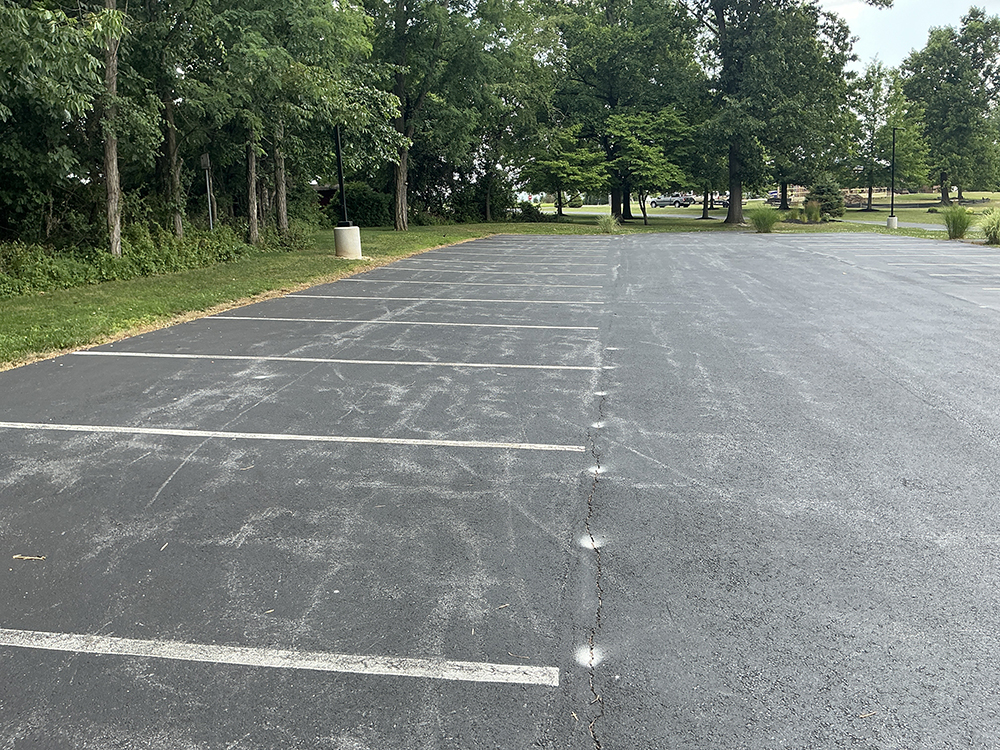
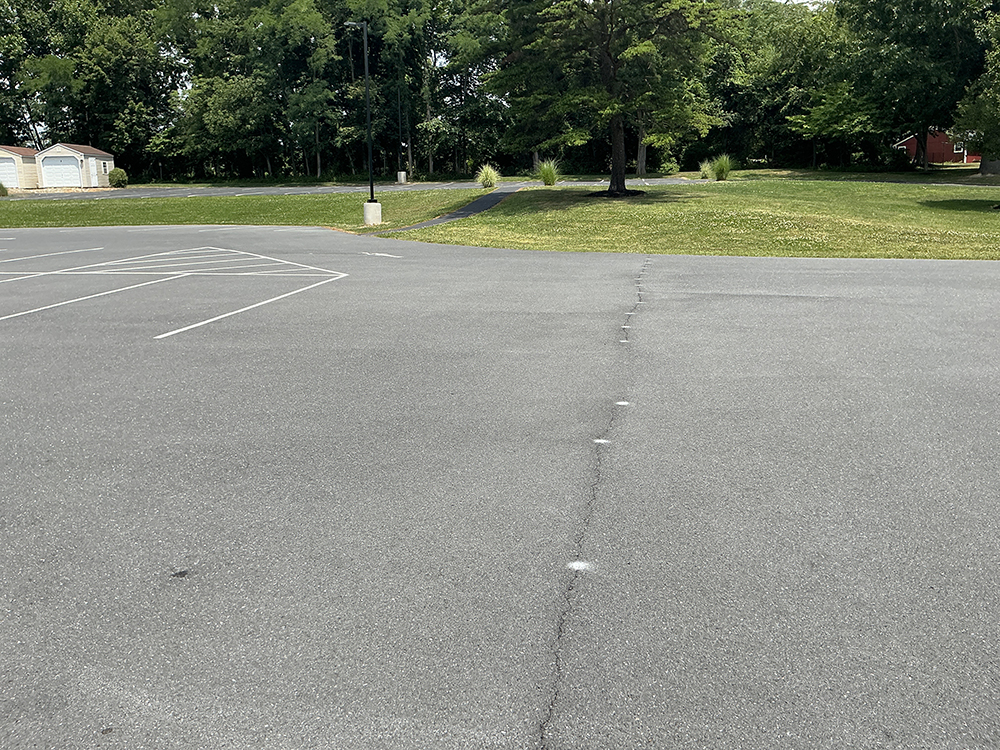
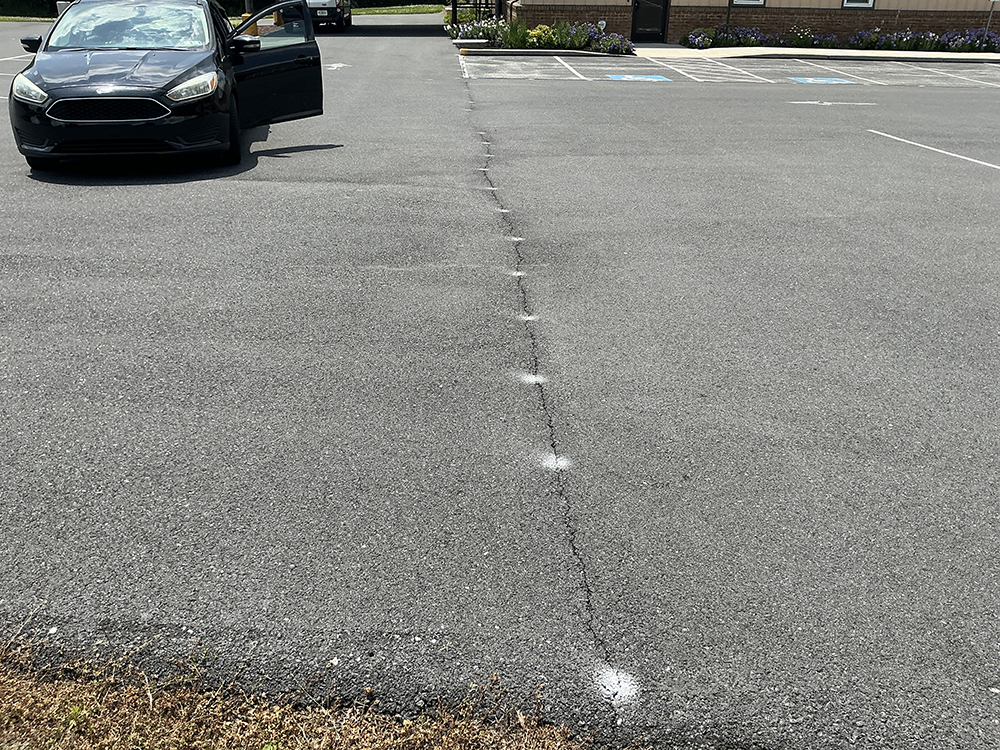
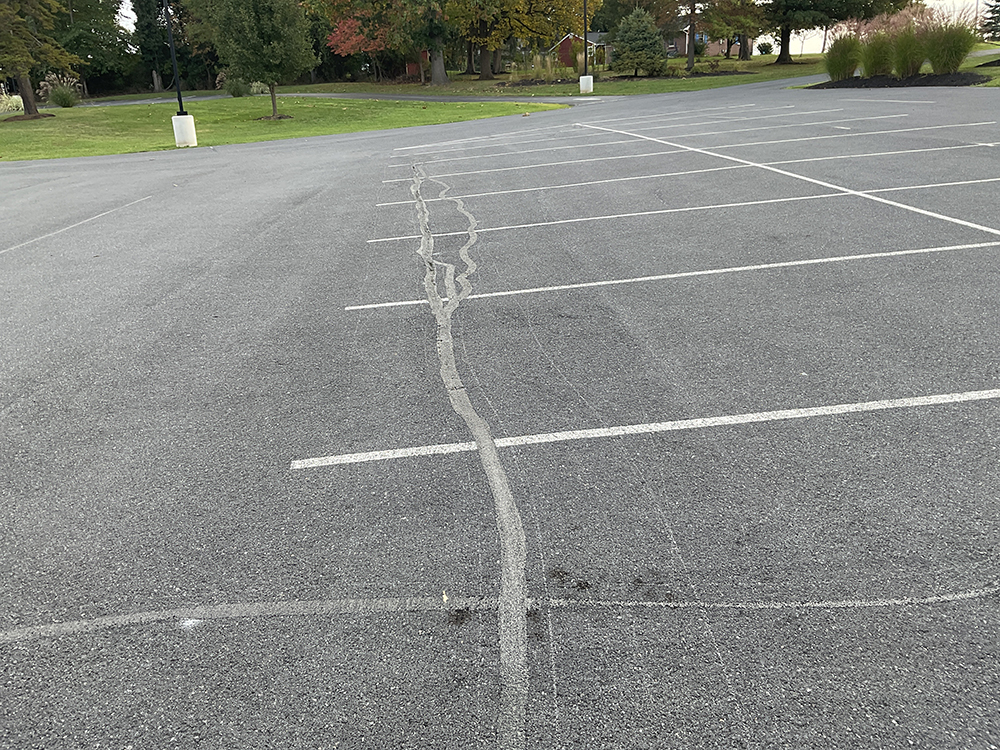
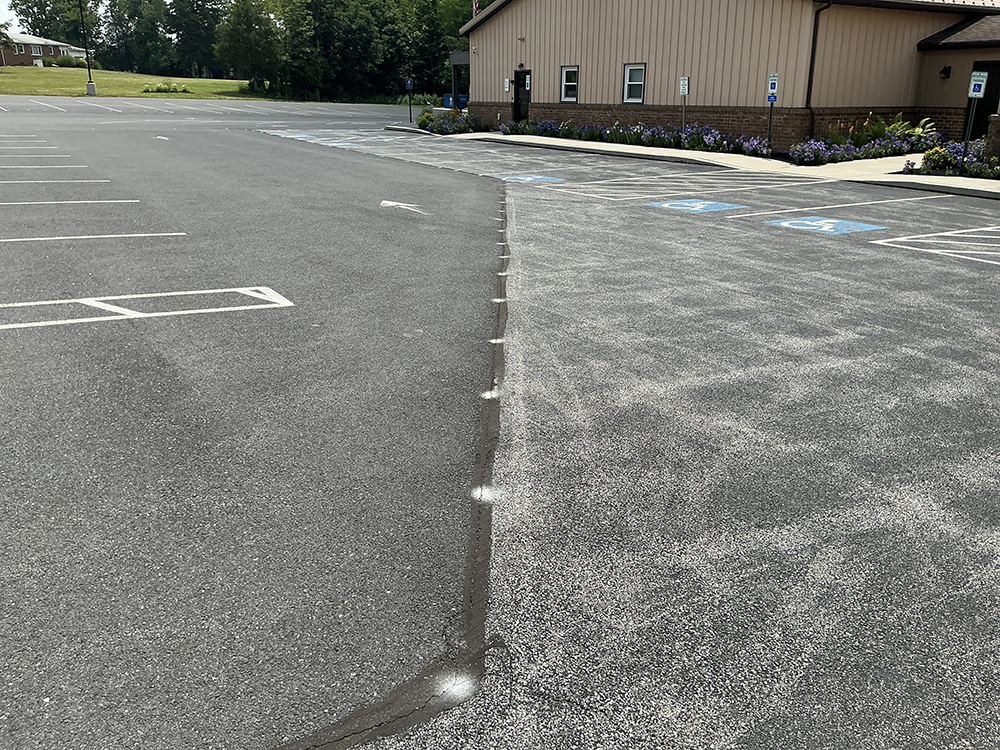
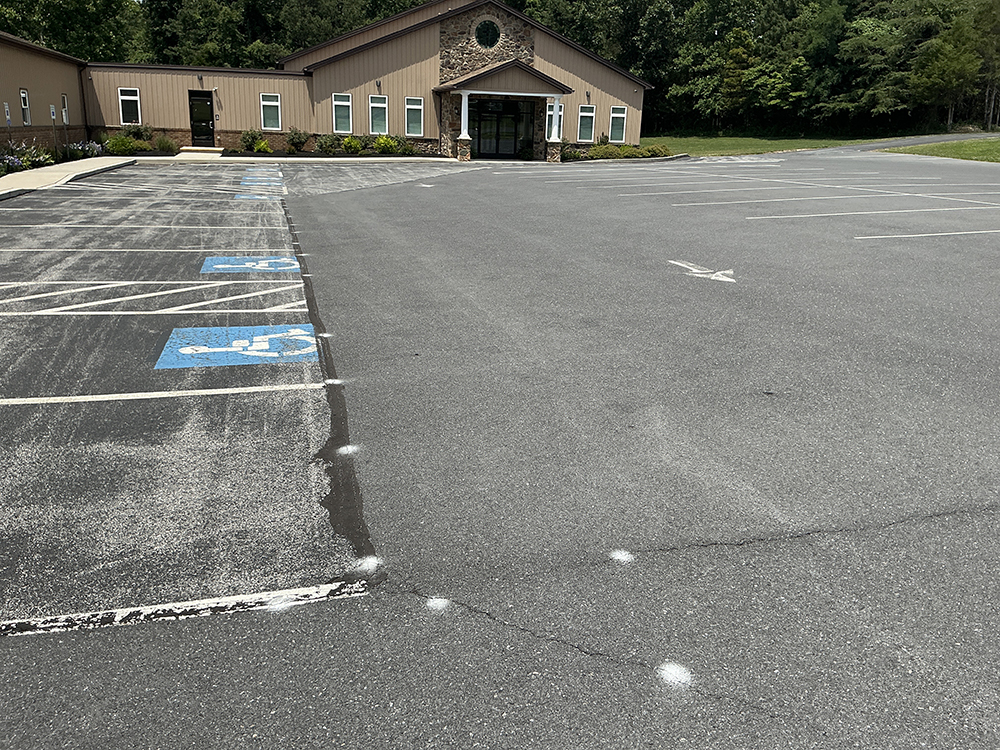
There were also longer cracks running across marked parking spaces and drive aisles, with some lines branching off into the surrounding asphalt. Cracking was visible near the building-side spaces as well as farther out in the lot.
That gave us more to consider than a single isolated opening. With commercial crack sealing and crack filling, the condition and pattern of the cracks matter when deciding what a treatment can reasonably address.
Why We Waited Until Fall
The customer agreed to the delay, and we completed the crack sealing in October.
We recommended that schedule to address existing cracks before winter’s freeze-thaw cycles had another chance to worsen them. Cooler temperatures provided a more favorable window for the work.
There was a maintenance reason for that timing. PennDOT’s crack-sealing guidance identifies spring and fall as typical seasons for this work.
Sealing cracks can reduce the amount of water and debris that enters the pavement, which is why it plays a role in preventive pavement maintenance.
The right application conditions still depend on the material and weather, not just the month on the calendar.
Being Clear About What Sealing Would Do
Before the work, we explained that wider or deeper cracks might settle below the surrounding asphalt and might not finish completely flush. That was important for a lot with interconnected cracking. The goal was to help protect those openings and slow further deterioration, not promise a perfectly level surface after sealing.
The distinction is supported by FHWA research on crack sealing and pavement smoothness: sealing an opening doesn’t necessarily eliminate a dip at the same location. Depending on the condition, more extensive asphalt repair can serve a different purpose.
Two Crack-Sealing Methods, Several Work Areas
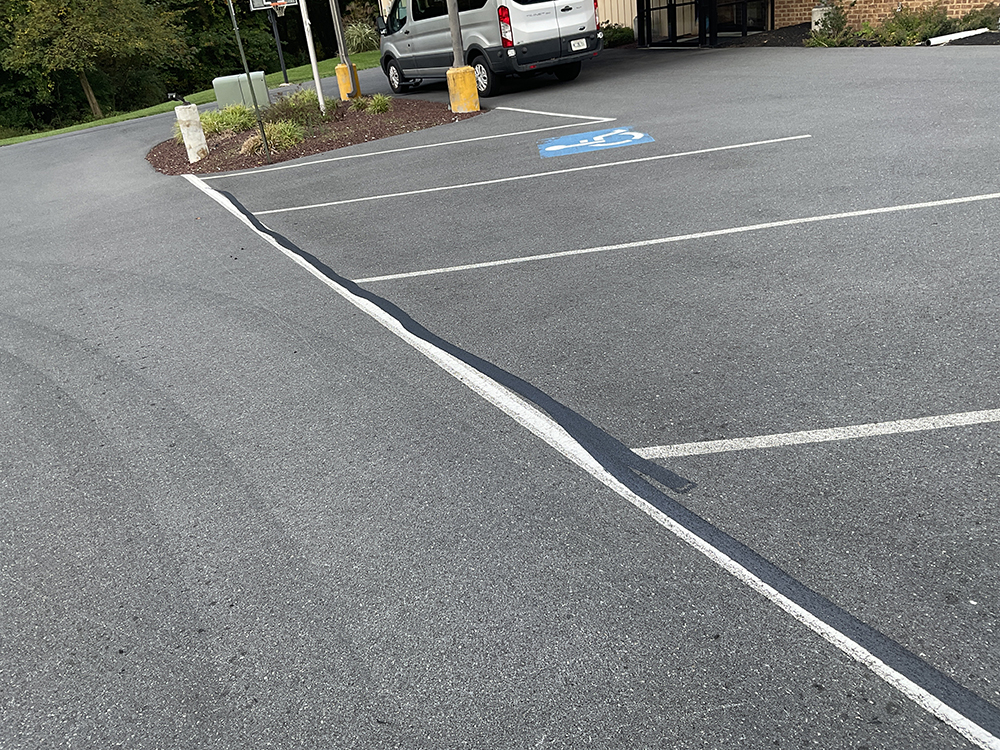
For the October work, we used both cold-pour crack sealing and heated rubberized-material crack sealing. The two material types have different application requirements. Heated rubberized sealants are designed to accommodate some movement as pavement temperatures change.
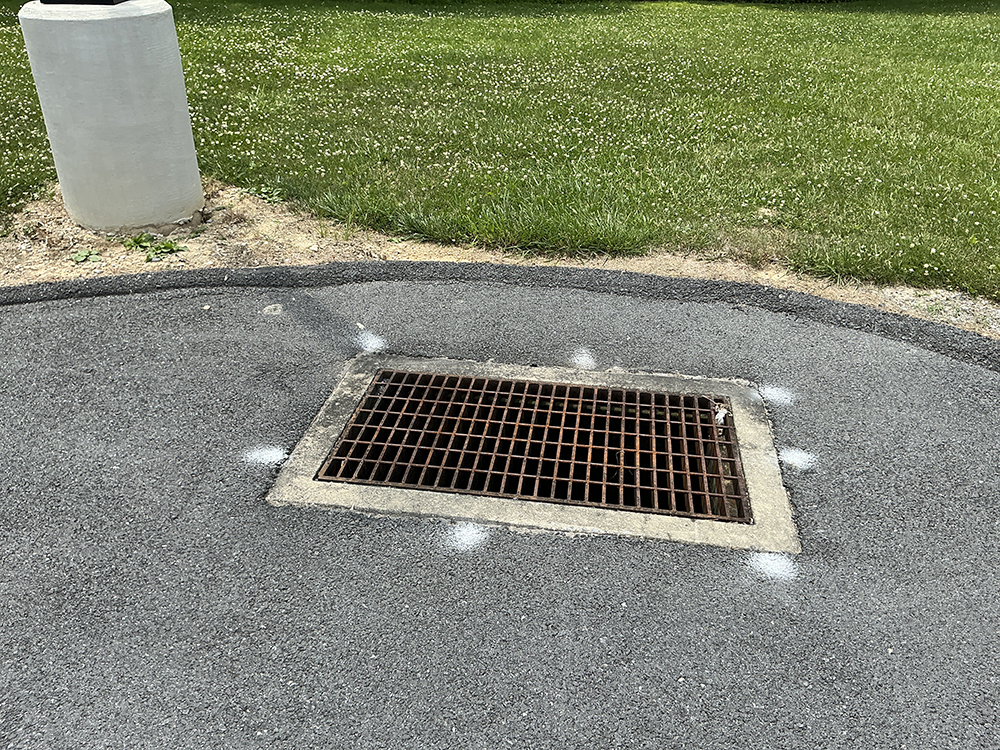
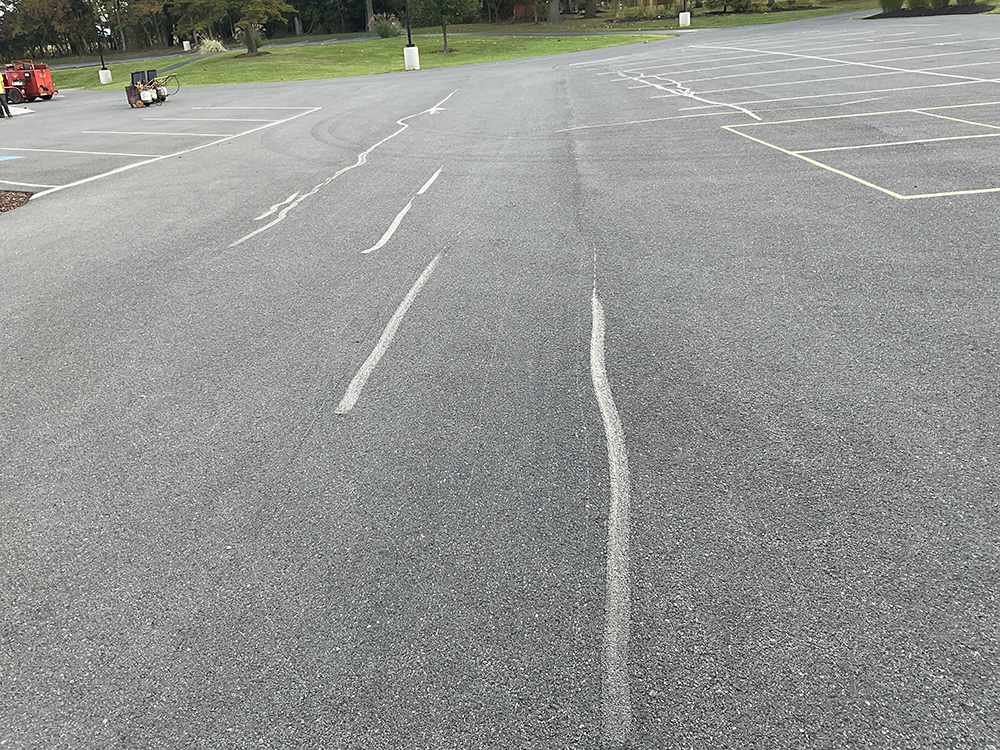
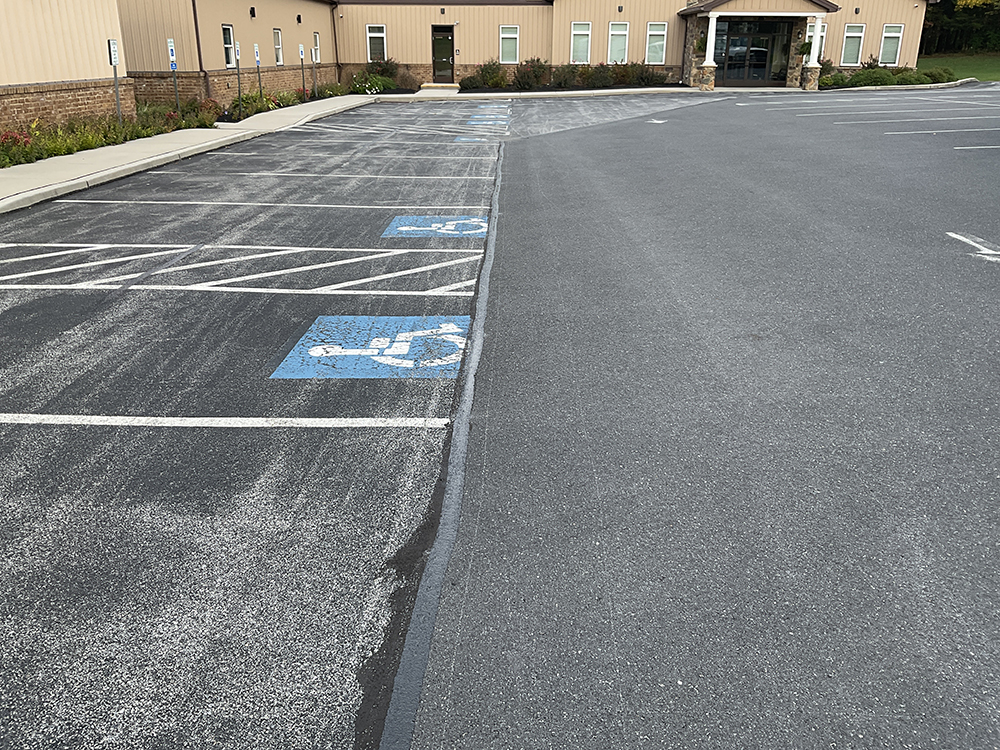
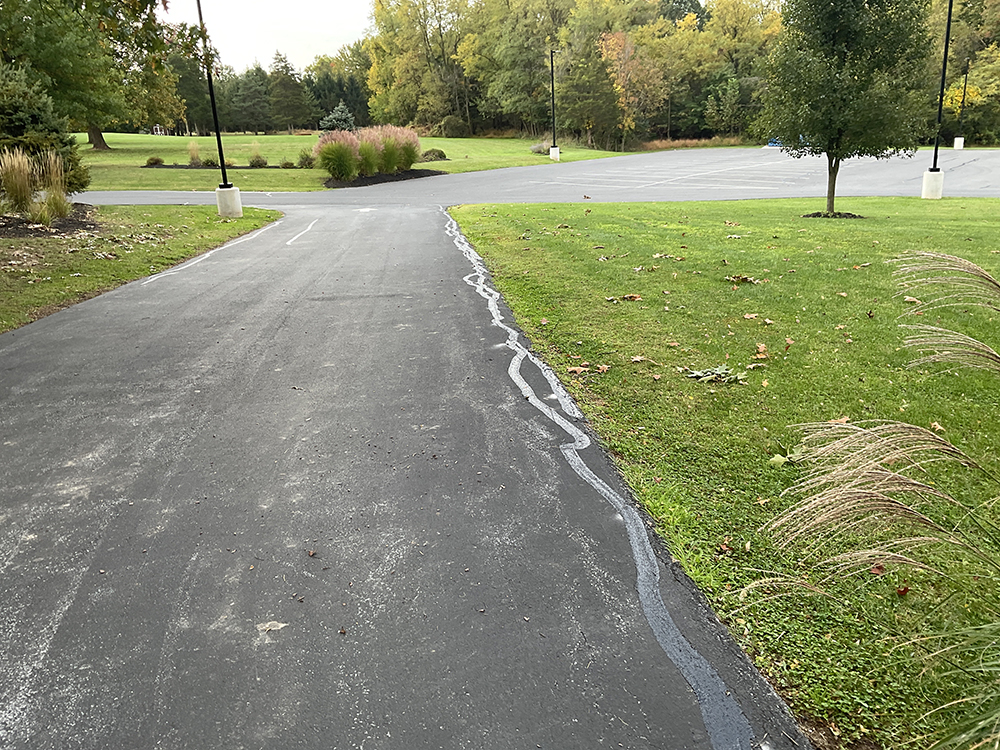
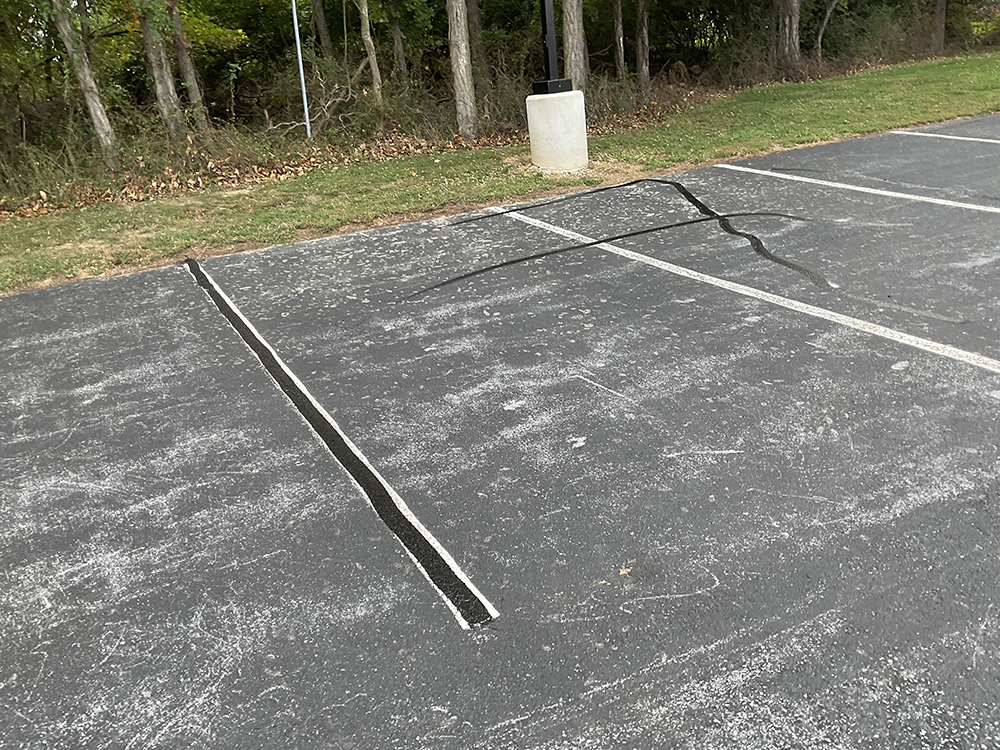
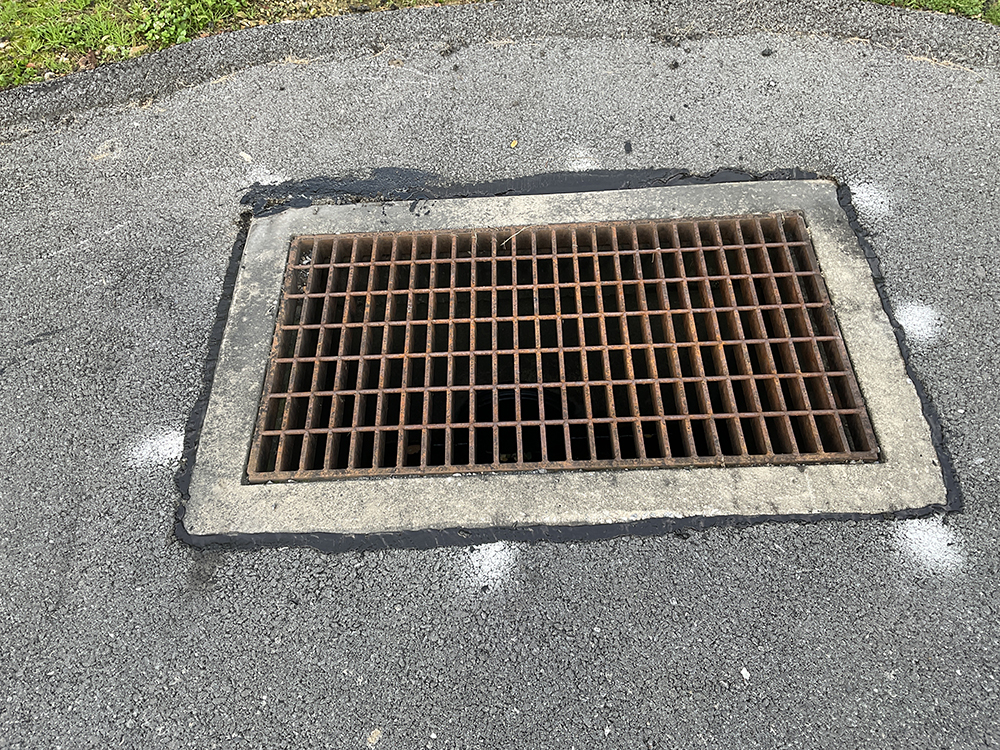
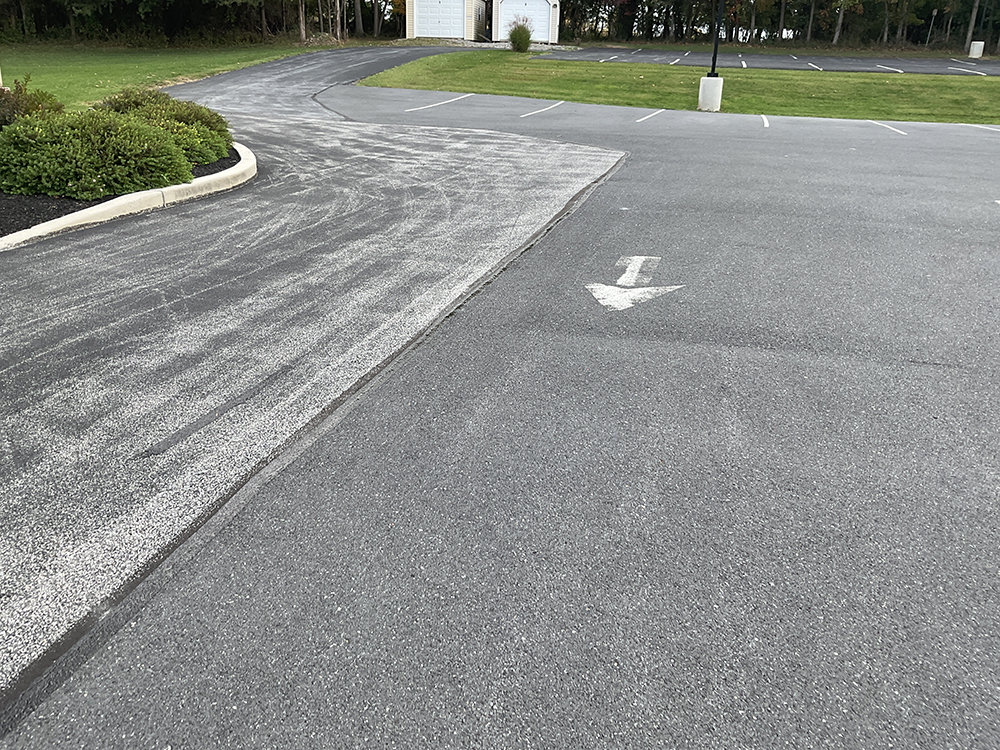
The treated areas extended through the parking lot. Long sealed lines crossed marked spaces and driving lanes, while other visible treatment ran near the building-side parking, beside marked accessible spaces, and around the asphalt at drainage grates.
Some of the cracks were fairly straight. Others followed irregular or branching paths. Our asphalt crack sealing covered those different areas of the existing lot.
What the Customer Said and What’s Next
The customer was extremely pleased with our work. They especially appreciated that we’d recommended the timing we thought was best instead of rushing to complete the job in June. That straightforward conversation helped build trust and led to an opportunity for more work at the same location.
We’ve already provided a budgetary estimate for that possible next project. We plan to follow up in the spring, with the goal of scheduling additional work for the summer.
Need Crack Sealing for Your Parking Lot?
Whether you manage a church lot or another commercial property in Central Pennsylvania, visible cracks are worth evaluating before they spread further.
If you’d like help deciding what treatment makes sense and when to plan it, request an estimate for your parking lot crack sealing.